Guide to Low Carb Bread
Think a low carb lifestyle means no bread? Think again. With the right recipes and ingredients, you can still enjoy the warmth and comfort of freshly baked low-carb bread while filling your house with an aroma that only bread can make.
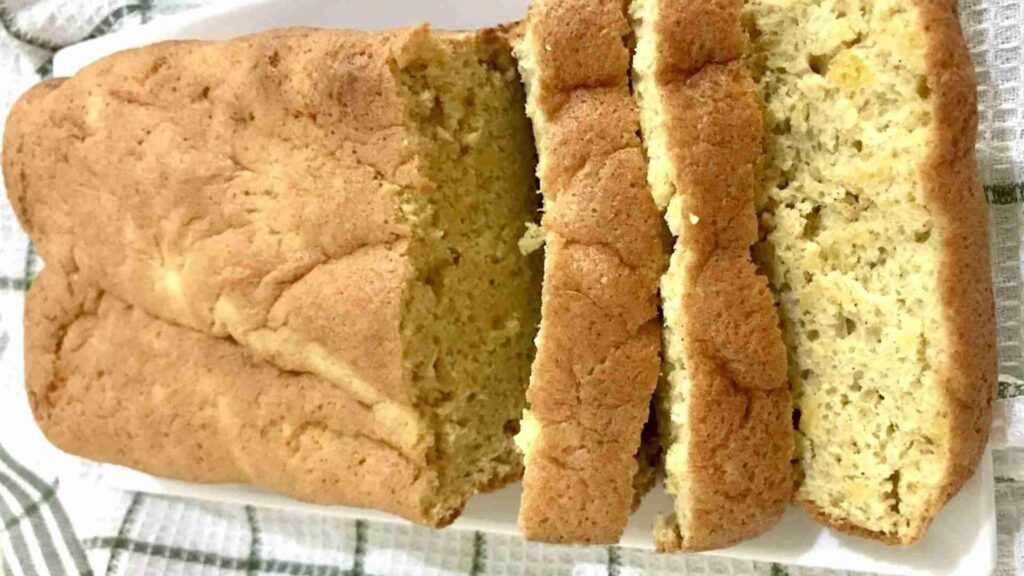
Low-carb bread is a great alternative to traditional breads that typically contain high levels of carbohydrates. Not only that, but many are generally naturally gluten-free when homemade.
Understanding the nutritional content, such as calories, net carbs and ingredients, is key when making or buying a low-carb bread. You’ll find a variety of low-carb bread options at the supermarket. This includes:
- white bread
- wheat bread
- sprouted whole-grain
- gluten-free multigrain varieties
- keto-labeled bread
Some of these breads offer some benefits due to ingredient choice and being slightly lower in carbs, but they still are much higher than homemade breads. Homemade low-carb and keto bread, however, are often created using alternative flours and fibers that lower the carb content while striving to provide a similar taste and texture as regular bread. However, not all bread labeled keto are actually low carb or even gluten free.
Recently, my husband did some research on low carb bread. He did a deep dive on the ingredients listed on the bread bags and was shocked to discover this: many versions included food grade wood pulp. Yes, wood pulp, which manufacturers use to plump up the bread without pumping up the carbs or calories. That was the day I stopped eating store-bought bread and started making my own using lupin flour, almond flour and coconut flour.
There is a great homemade option for those who want to be even stricter on their carb intake. This zero carb bread is not only unique but also tastes amazing and works beautifully in the toaster.
Lastly, if the breads are homemade, they simply taste better. They also will be void of all the fillers and unnecessary ingredients that it is best to do without anyway.
Ingredients and substitutes
This page may contain affiliate links, which means I may be compensated if you click a link. However, there is no cost to you. Also, as an Amazon Associate, I earn from qualifying purchases. For more info, please see my Privacy and Disclosure page.
Creating low-carb bread involves selecting the right ingredients that provide texture and taste without the high-carb content of traditional bread. There are many options to play with, but some ingredients are pretty standard.
Low-carb breads often rely on a blend of alternative flour and binding agents that are lower in carbohydrates than conventional wheat flour. Some of the common ingredients include those I’ve already mentioned, such as:
- Almond flour: An essential in low-carb baking, offering a rich flavor and moist texture.
- Coconut flour: Highly absorbent and provides a light, soft texture.
- Flaxseed meal: Adds fiber and a slight nuttiness, plus it can act as a binder.
- Oat fiber: Adds bulk and structure while improving moisture retention.
- Psyllium husk powder: A fiber supplement that helps give structure to the bread and is essential for gluten-free recipes.
- Eggs: Provide structure and leavening to help mimic the texture of traditional bread.
- Baking powder: A leavening agent necessary for the bread to rise.
- Xanthan gum or guar gum: Used in small quantities to improve elasticity and texture.
“I love making low-carb bread using oat fiber or a mixture of it. It gives the bread its texture, real bread look and a lovely almost wheat-like flavor.”
— Zuzana Paarr, Lowcarb-Nocarb
Common substitutes for high-carb ingredients
Now, if you have a traditional bread recipe and are looking for substitutions, here are some of the most common substitutions.
- Instead of sugar, choose sweeteners like erythritol, stevia or monk fruit.
- Switch out high-carb fruits and vegetables for lower-carb alternatives. For instance, you can replace bananas with zucchini or pumpkin in sweet bread recipes.
- Low-carb bakers often utilize almond or coconut milk as a substitute for dairy milk.
- You can include apple cider vinegar to activate the leavening agents and add to the texture of the bread.
- Replace traditional grain-based flours with nut and seed flours like almond or flaxseed meal. Check out this recipe for Pumpkin Chia Seed Bread.
Low-carb bread baking tips and tricks
Low-carb flours are generally more absorbent than high-carb flours, which means you’ll need to modify the hydration levels in your dough. For instance, coconut flour demands considerably more moisture to avoid resulting in dry and crumbly bread. To achieve the ideal dough consistency, try experimenting with additional liquids like water, milk, or even vegetable purees.
Low-carb bread typically necessitates different baking times and temperatures than conventional bread. This is attributed to the differences in dough composition and density. It’s common for low-carb bread to require a lower baking temperature and a longer baking duration to ensure it cooks thoroughly without burning the outside. Keeping a close eye on your bread while it bakes and adjusting based on its appearance and texture is essential.
One of the most crucial tips for baking low-carb bread is to embrace experimentation. Given the variety of alternative flours and their distinct characteristics, a method that succeeds with one type of bread might not yield the same results with another. Patience and a willingness to try different approaches are vital in discovering the ideal combination of ingredients, hydration, leavening, and baking conditions.
Portions of this article originally appeared on Food Drink Life.