How to Use Canned Tuna in All Kinds of Recipes
Canned tuna is an ingredient that’s always good to have on hand as a pantry staple, whether you need a last-minute meal or a budget-friendly way to add protein to your diet. With the right seasonings and pairings, canned tuna can go from basic to bold in minutes. From classic tuna salad just like Whole Foods makes to keto-friendly dishes, it’s an easy way to add flavor and substance to your meals without much effort.
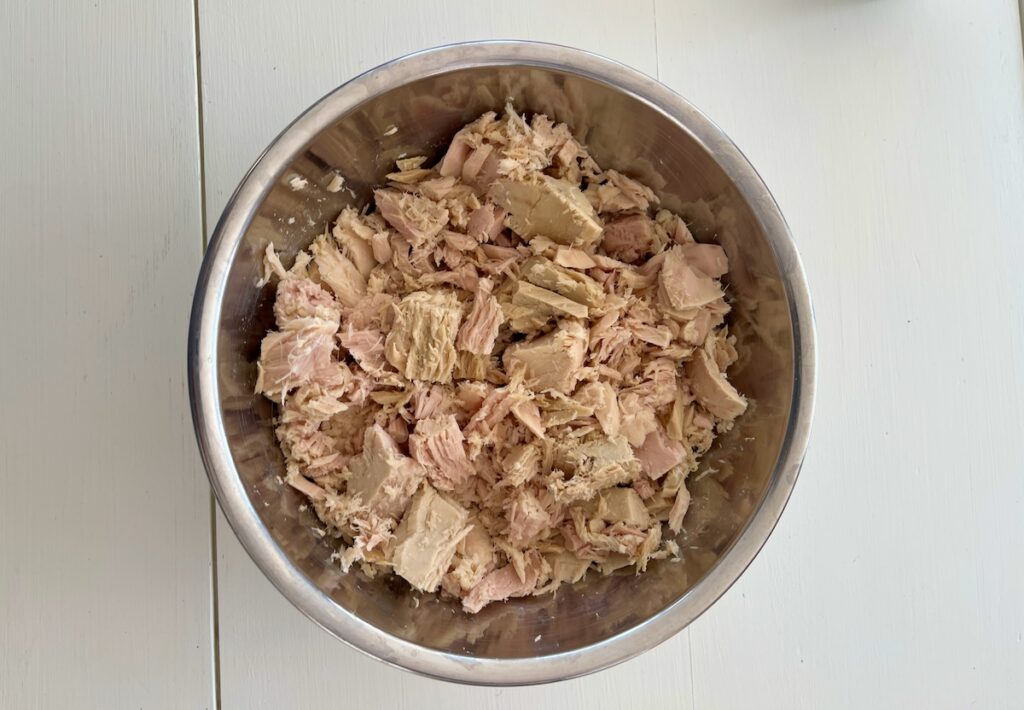
Types of canned tuna
This page may contain affiliate links, which means I may be compensated if you click a link. However, there is no cost to you. Also, as an Amazon Associate, I earn from qualifying purchases. For more info, please see my Privacy and Disclosure page.
Not all canned tuna is the same, and choosing the right type can make a big difference in your recipe. Here’s a breakdown of the main options and how to use them.
Albacore or white tuna
Albacore tuna, often labeled as white tuna, has a firmer texture and a milder, more delicate flavor. It’s slightly more expensive but a great option for dishes where you want the tuna to stand out rather than blend in. Plus, its firmer texture holds up better.
Chunk light tuna
Chunk light tuna is typically made from smaller species like skipjack, which gives it a softer texture and a stronger, more pronounced flavor. Because it’s made from smaller fish, it tends to have lower mercury levels than albacore. While chunk light is often the most affordable option, personally it’s not my favorite. So unless there is no albacore or white tuna available, I will not buy this variety.
Oil-packed vs. water-packed
Canned tuna comes packed in either oil or water, and the difference can impact both flavor and texture. Oil-packed tuna is richer and more flavorful, while water-packed tuna is lighter and lets other ingredients stand out.
- Oil-Packed Tuna: This type of tuna is packed in oil, which keeps it moist and provides a richer flavor. The added fat makes it ideal for Mediterranean-style salads, pasta dishes, and spreads. Choose oil-packed tuna if you’re looking for something with more depth and a touch of extra richness.
- Water-Packed Tuna: Stored in its own juices, water-packed tuna offers a cleaner, more neutral taste. It’s perfect for lighter dishes like tuna salads and sandwiches or when mixed with avocado or Greek yogurt. Since it doesn’t contain added fat, it’s a better option for those watching their calorie intake.
How to use canned tuna
Canned tuna isn’t just for sandwiches. Here are a few ways to use it:
- Salads: Add canned tuna to a green salad or mix it with beans for extra protein. For something heartier, tuna macaroni salad combines low-carb pasta, tuna and a creamy dressing in one easy dish. A classic mayo-based tuna salad also works well on crackers or sandwiches.
- Casseroles: Tuna noodle casserole is a classic comfort food made with pasta, a creamy sauce and breadcrumbs for crunch. You can also mix tuna into baked rice dishes or vegetable casseroles for an easy, protein-packed meal. Clearly, this is a dish for a day when carbs don’t matter.
- Sandwiches and wraps: A traditional tuna salad sandwich is a go-to, but you can also get creative by adding hummus or mashed avocado. You can also make a wrap with tuna, greens and a light dressing for a quick and easy meal.
- Tuna cakes: Combine tuna with breadcrumbs, eggs and seasonings to form patties, then pan-fry them until crispy. They can be served with a dipping sauce, on a salad or in a sandwich. In these keto tuna cups, you get the same outcome but with fewer carbs.
- Tuna melts: Spread tuna salad on bread, top with cheese and broil until bubbly. Or make a tuna melt quesadilla by cooking it in a low carb tortilla for a crispy twist.
How to make canned tuna taste better
Tuna straight from the can may taste a little bland. You’ve got to treat it like any other protein source you might be cooking with. I mean, if you watch enough Food Network and other cooking shows, you know how the chefs push seasonings. Always start with salt and pepper. Sometimes that’s all you need. However, here are some other options for improving tuna’s basic flavor.
- Add acidity: A squeeze of lemon or a splash of vinegar makes canned tuna taste fresher and less heavy. It helps balance out the richness, especially in mayo-based dishes.
- Use Fresh Herbs: Incorporating fresh herbs like parsley, dill, or cilantro adds vibrant flavor and prevents the tuna from tasting one-dimensional. A small handful can significantly enhance salads, wraps, or pasta dishes.
- Mix in Crunch: Adding chopped celery, onions, or pickles introduces texture and prevents the tuna from feeling too soft. These ingredients contribute extra flavor without overwhelming the dish.
- Spice It Up: A dash of hot sauce, mustard, or curry powder can elevate the flavor profile and make it more exciting. Even a pinch of garlic powder can make a difference.
- Add Oil: If you’re using water-packed tuna, mixing in olive oil makes it richer and less dry. A drizzle of flavored oil, such as garlic or chili-infused varieties, can add even more depth to the dish.
Storage and shelf life
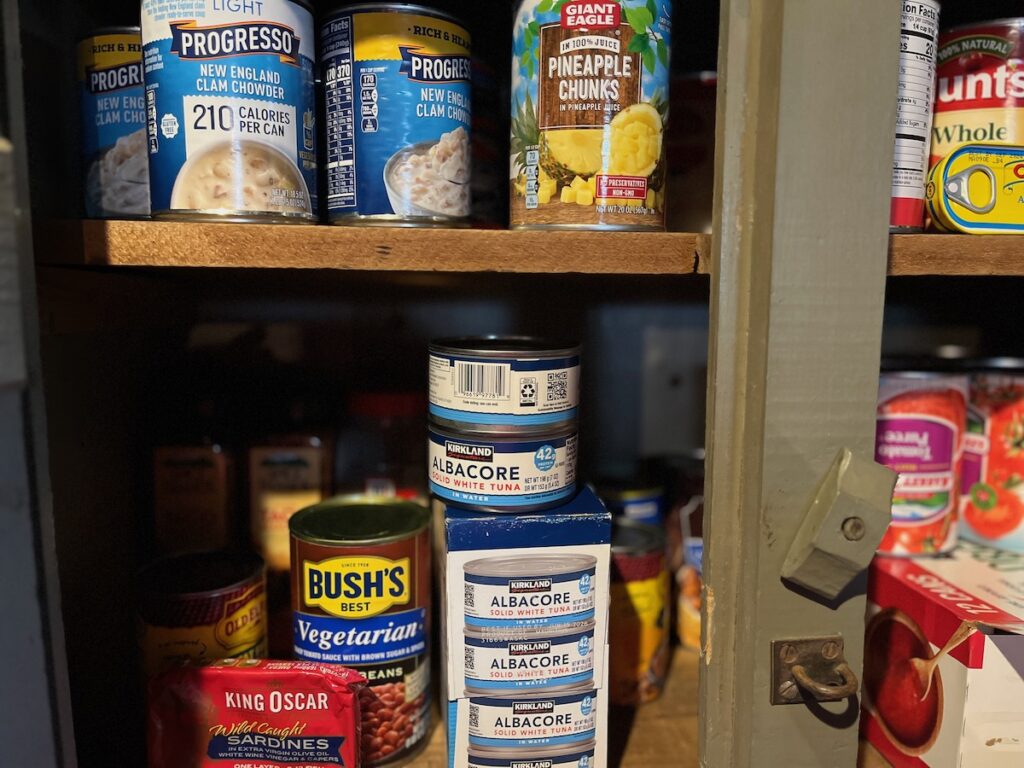
Canned tuna has a long shelf life, but it won’t last indefinitely. Proper storage is essential for maintaining its quality and safety. Unopened tuna, stored in a cool, dry place away from direct sunlight, can last for up to three to five years. On the other hand, if you have leftover tuna, transfer it to an airtight container and refrigerate it right away. For the best taste and safety, consume it within two to three days.
Portions of this article originally appeared on Food Drink Life.