Is Kombucha Keto? Plus How To Brew Your Own
Is kombucha keto? Is kombucha low carb? In terms of carb content, kombucha has less sugar than other drinks out there – even soda pop. It also contains less caffeine than coffee or tea so if you’re looking for an alternative for your morning ritual. Read on for more about how kombucha could work for you in your keto or low-carb lifestyle plus how you can brew your own at home.
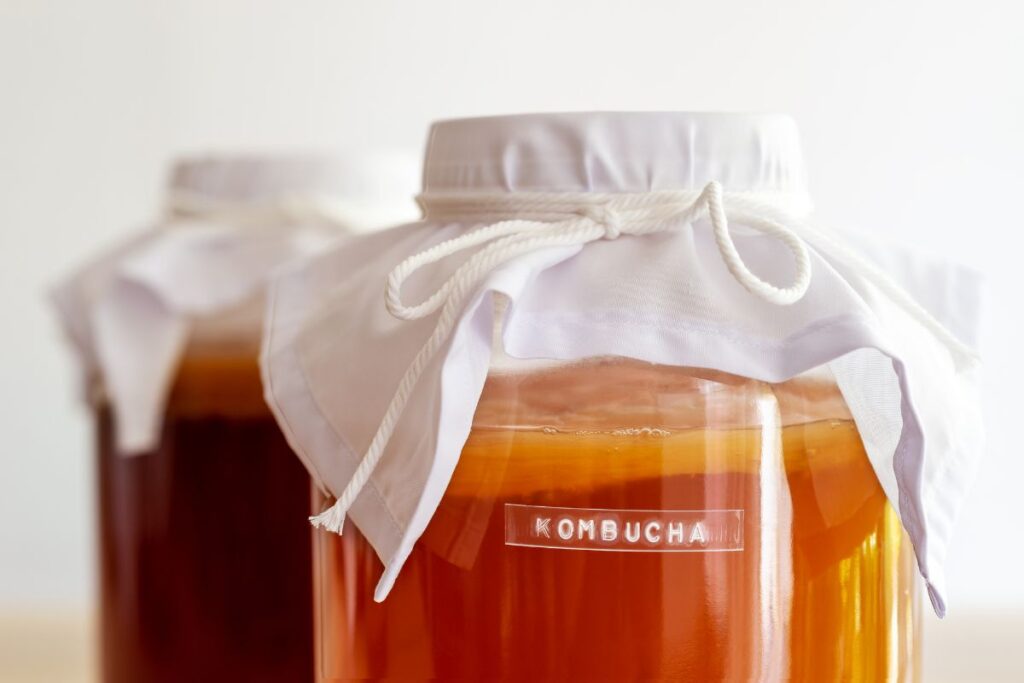
What Is Kombucha?
This page may contain affiliate links, which means I may be compensated if you click a link. However, there is no cost to you. Also, as an Amazon Associate, I earn from qualifying purchases. For more info, please see my Privacy and Disclosure page.
Kombucha is said to originate in China. It’s a tea-based fermented drink so with the tea connection, that checks out. The modern-day version of kombucha now comes in sweetened versions but the traditional brew is supposed to have a “vinegar-like” flavor. You make kombucha by fermenting sweet tea.
You know what else you make with fermentation? Sourdough starter. In fact, some people actually use kombucha to make their sourdough starter.

How Does Kombucha Compare To Sodas?
In terms of carb content, kombucha has less sugar than other drinks out there – even soda pop. When you start to make kombucha at home — scroll down for a recipe — the drink has around 17 grams of sugar. However, after the fermentation process, which takes at least one week, that sugar amount is down to around seven grams of sugar per serving. Compare that with sugar which can have as much as 30 grams of sugar per serving.
Choosing the right kombucha for you
You can make your own kombucha or you can buy it already made. For the former option, scroll down to our recipe. For the latter, here are some things to keep in mind when choosing which kombucha to buy and drink.
Choose One Without Artificial Colorings or Flavors
Since this fermented tea comes in many different colors and flavors, always check the label to make sure it contains ingredients you know are needed to make kombucha. That would be sugar or any other sweetener besides fruit juice or syrup. Even though kombucha can be slightly sweet on its own, it’s better to choose some with no added sugar at all.
Look For the Right Ingredients
If you’re looking at the ingredients list on your kombucha, you should always see these:
- Black or green tea
- sugar, honey or pure maple syrup
- live cultures such as “kombucha mushroom” or SCOBY, which stands for symbiotic culture of bacteria and yeast
In my opinion, kombucha made with organic black tea is the best.
It’s Freshly Made
Due to its high concentration of probiotics and other enzymes, it’s recommended that you drink this kind of tea while it’s fresh or within 30 days after production. This is a reason that you might want to try your hand at making kombucha at home.
How to Make Your Own Kombucha
Here are the ingredients and equipment you’ll need to make kombucha at home.
Equipment
- 1 one-gallon glass jar or container with a wide opening
- 1 Piece of cloth or paper towel to cover the jar opening
- 1 Rubber band
- 1 Large pot for boiling water
- 1 SCOBY
Ingredients
- 6 tea bags organic black tea
- 1 cup sugar
- water
Boiling the Tea
- Boil 4 cups of water in a large pot.
- Add tea bags and let steep for 10 minutes.
- After 10 minutes, remove the tea bags and add the sugar. Stir until it dissolves.
- Add 8 cups of cold water to the pot to bring the temperature down to room temperature.
- Transfer the tea-infused water to your one-gallon jar.
Starting Fermentation
- Add the SCOBY.
- Cover the jar with a cloth or paper towel and secure it with a rubber band.
- Place the jar in a warm, dark place between 75 F and 85 F, where it won’t be disturbed. A cabinet in a warm kitchen is ideal.
- Check after 7 days. You’ll notice bubbles forming on the surface of your kombucha, which means it’s fermenting. Taste the kombucha. If it’s too sweet, let it ferment for a few more days.
Notes
Note: The nutritional information provided is before the fermentation process. Because the SCOBY is “eating” the sugar during fermentation, you can expect that the final grams of sugar to be more than half of what is shown here.
Your kombucha will take anywhere from one to two weeks to ferment, depending on the temperature and the strength of your SCOBY.
Once your kombucha is fermented to your liking, it’s time to bottle it up. Here’s how to do it:
- Carefully remove the SCOBY from the jar and place it in a separate container — you’ll save it to make your next batch of kombucha.
- Strain the kombucha into a large bowl or pitcher.
- Pour the kombucha into glass bottles with airtight lids. Use a funnel to avoid spills.
- If you want to add flavor, now is the time. You can add fruit juice, herbs, or spices to the bottle at this point.
- Seal the bottle tightly and let it sit at room temperature for one to three days. This allows the kombucha to carbonate and become fizzy.
- Once it is carbonated to your liking, refrigerate the kombucha. This will stop the fermentation process.
- Enjoy your homemade kombucha!
Portions of this recipe originally appeared on Food Drink Life.
Final thoughts on the kombucha-keto connection
If you’re on keto and watching your sugars, maybe do what I do: I keep my kombucha habit down to no more than 8 ounces per day and only when I have the wiggle room in my carb count to spare. However, if you’re in maintenance mode or just trying to eat low carb, then you can have much more than that each day.

Keto Kombucha with Black Tea and Sugar
Equipment
- 1 One-gallon glass jar or container with a wide opening
- 1 Piece of cloth or paper towel to cover the jar opening
- 1 Rubber band
- 1 Large pot for boiling water
- 1 SCOBY
Ingredients
- 6 tea bags organic black tea
- 1 cup sugar
- water
Instructions
Boiling the Tea
- Boil 4 cups of water in a large pot.
- Add tea bags and let steep for 10 minutes.
- After 10 minutes, remove the tea bags and add the sugar. Stir until it dissolves.
- Add 8 cups of cold water to the pot to bring the temperature down to room temperature.
- Transfer the tea-infused water to your one-gallon jar.
Starting Fermentation
- Add the SCOBY.
- Cover the jar with a cloth or paper towel and secure it with a rubber band.
- Place the jar in a warm, dark place between 75 F and 85 F, where it won't be disturbed. A cabinet in a warm kitchen is ideal.
- Check after 7 days. You'll notice bubbles forming on the surface of your kombucha, which means it's fermenting. Taste the kombucha. If it's too sweet, let it ferment for a few more days.
Notes
- Carefully remove the SCOBY from the jar and place it in a separate container — you’ll save it to make your next batch of kombucha.
- Strain the kombucha into a large bowl or pitcher.
- Pour the kombucha into glass bottles with airtight lids. Use a funnel to avoid spills.
- If you want to add flavor, now is the time. You can add fruit juice, herbs, or spices to the bottle at this point.
- Seal the bottle tightly and let it sit at room temperature for one to three days. This allows the kombucha to carbonate and become fizzy.
- Once it is carbonated to your liking, refrigerate the kombucha. This will stop the fermentation process.
- Enjoy your homemade kombucha!